
Efficiency AI replaces work you already do. Opportunistic AI helps you find work you have not imagined yet.
There are two ways to put AI to work in a business.
Efficiency AI uses AI to replace existing repetitive processes: invoicing, intake, scheduling, data entry. You measure it in hours saved, fewer errors, and faster turnaround.
Opportunistic AI gives AI real context about your business (customers, offers, skills, constraints) so it can propose new ways of working and new ventures. You measure it in options surfaced, tested, and adopted.
Most small businesses need both, usually in that order: fix a known bottleneck first, then use the time and documentation you gained to explore growth. In both modes, a person still decides what gets automated and which ideas are worth pursuing.
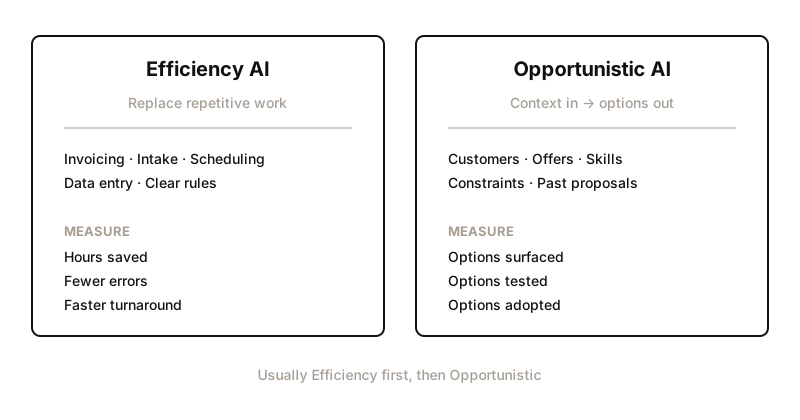
Efficiency AI clears work you already do. Opportunistic AI uses real business context to surface options you have not tried yet. Most small teams need both, usually Efficiency first.
Start with efficiency when the work is clear
Efficiency is the right first move when you have a known bottleneck, steady repetitive work with clear rules, tight margins, or a team that needs relief before it can take on anything new.
If you can write down the steps and define "done," it is a good efficiency candidate. If the task depends on reading a relationship or making a judgment call, keep a person on it. Use AI to prepare the work, not to replace the call.
Efficiency will not tell you whether the work should exist, or what to do with the hours you get back. That is where opportunistic AI comes in.
Use opportunistic AI when operations are stable
Opportunistic AI earns its place when core operations are not on fire, you have context to share (offers, customer notes, past proposals), and you want growth without immediately hiring.
With that context, AI might suggest packaging a service you keep customizing, an add-on customers already ask for, a workshop from advice you repeat, or a nearby segment you could serve. Most ideas will not be worth pursuing. That is fine. The value is a wider set of options and a fast way to pressure-test them.
Without context, "give me business ideas" produces answers that could apply to anyone. Do not use opportunistic AI to dodge an operations mess. If invoices are late and intake is chaos, a new venture only adds load. Fix the foundation first.
How the two feed each other
To automate a process, you write it down. That documentation is the same context opportunistic AI needs. Efficiency also frees attention so you can evaluate new ideas. When an opportunistic idea sticks, it becomes a process with its own repetitive steps, and those become the next efficiency targets.
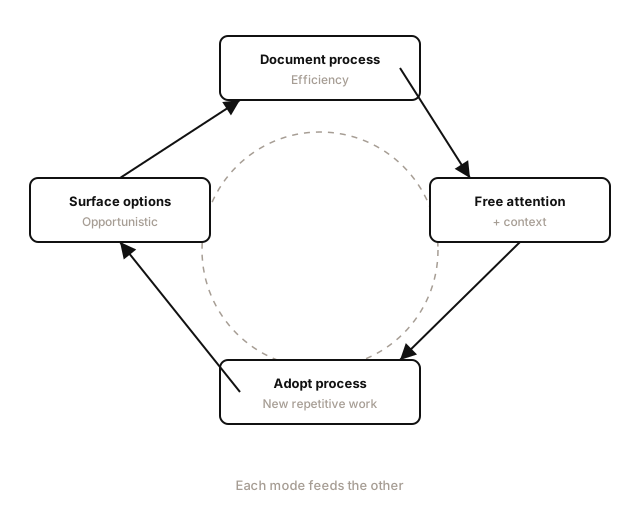
Each mode feeds the other. Write the process down to automate it; that same documentation becomes the context opportunistic AI needs for what comes next.
Three moves this week
- Pick one efficiency target. High volume, clear rules, easy to check. Note the baseline before you change anything.
- Write a one-page context file. Who you serve, what you sell, what you will not do, capacity limits, and recent customer requests. Strip anything you should not share with a tool.
- Run one focused opportunity pass. Ask what customers request that you do not offer, what you could package from work you already do, and one way to grow revenue without adding headcount. Test the best idea small, then adopt, adjust, or drop it.
Efficiency AI gives you time back. Opportunistic AI helps you decide what to do with it. Neither replaces the judgment of people who know the business.
If you want help picking the first process to automate, or building the business context that makes opportunistic AI useful, GroundWise works alongside your team to put that into practice.